
One of the NCad’s main responsibilities is to provide advice on how to improve the welfare of laboratory animals, how to reduce animal experiments and how to replace animal experiments with animal-free alternatives.
The NCad provides policy advice to the Ministry of Agriculture, Fisheries, Food Security and Nature (LVVN). Advice can also be directed to the Central Authority for Scientific Procedures on Animals (CCD), Animal Welfare Bodies and/or researchers. Examples of our work are guidelines on the purchase, breeding, housing, care and use of animals for experiments.
In the figure below, the process of developing an advice is illustrated.
Ministry, the CCD, an Animal Welfare Body or another organization asks for advice
NCad discusses the request and communicates if and how it will proceed with the request
NCad decides on its own initiative to start with a policy advice
NCad draws up an action plan for each policy advice
Two NCad members take the lead supported by the staff
Input is sought from national and international experts through working groups and public consultations
Final policy advice is adopted during NCad meeting
The policy advice is presented to the responsible minister who sends it with policy response to the House of Representatives
Each policy advice is published on the NCad website
Policy advice
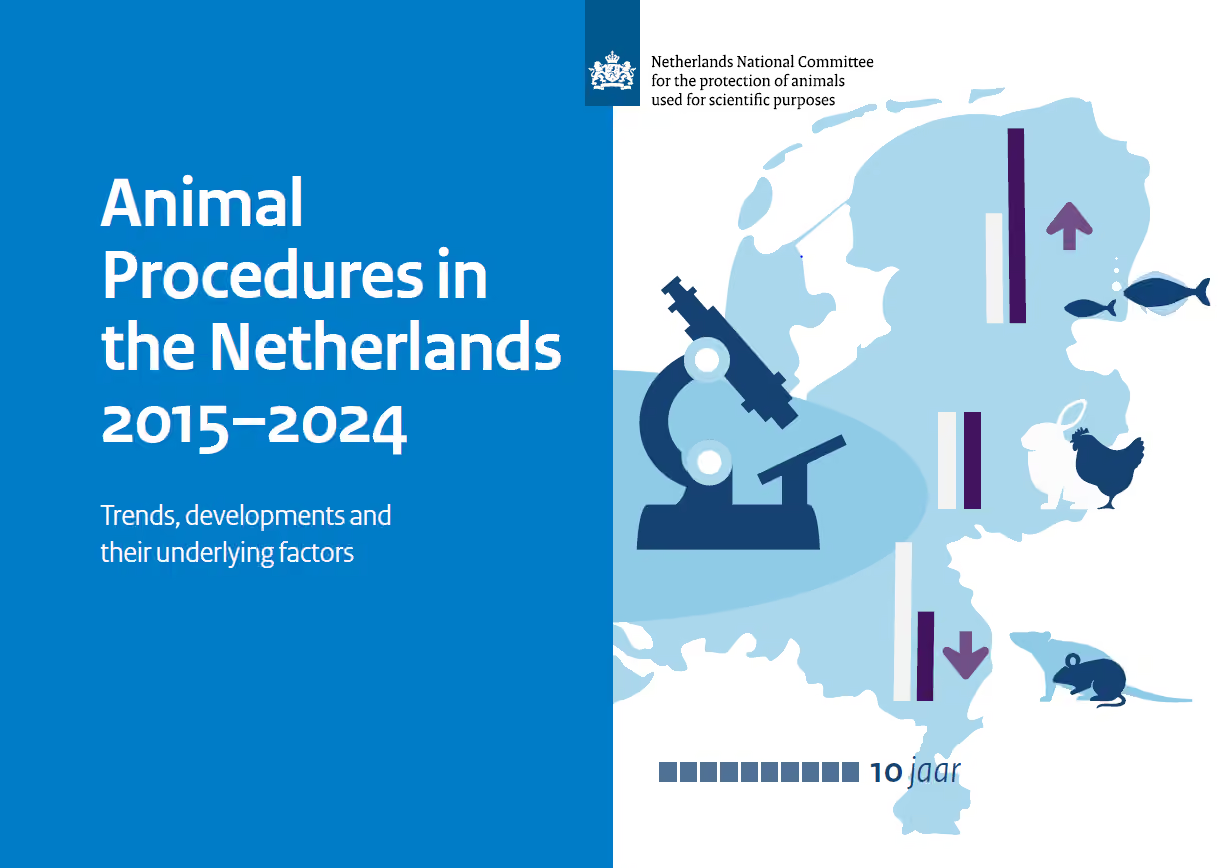
Animal Procedures in the Netherlands 2014-2024
Read more
From nich to norm - Transition Policy Advice 2026
Read more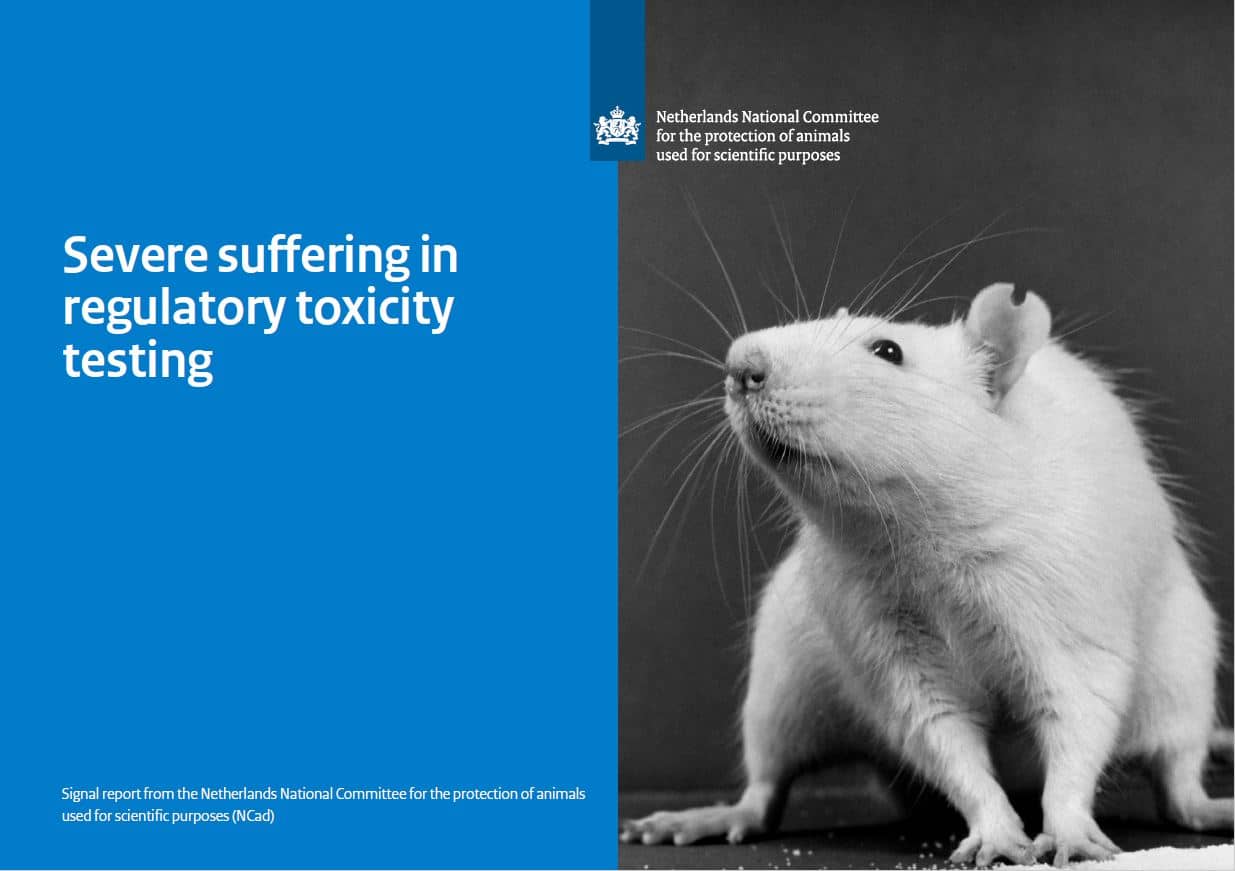
Severe suffering in regulatory toxicity testing
Read more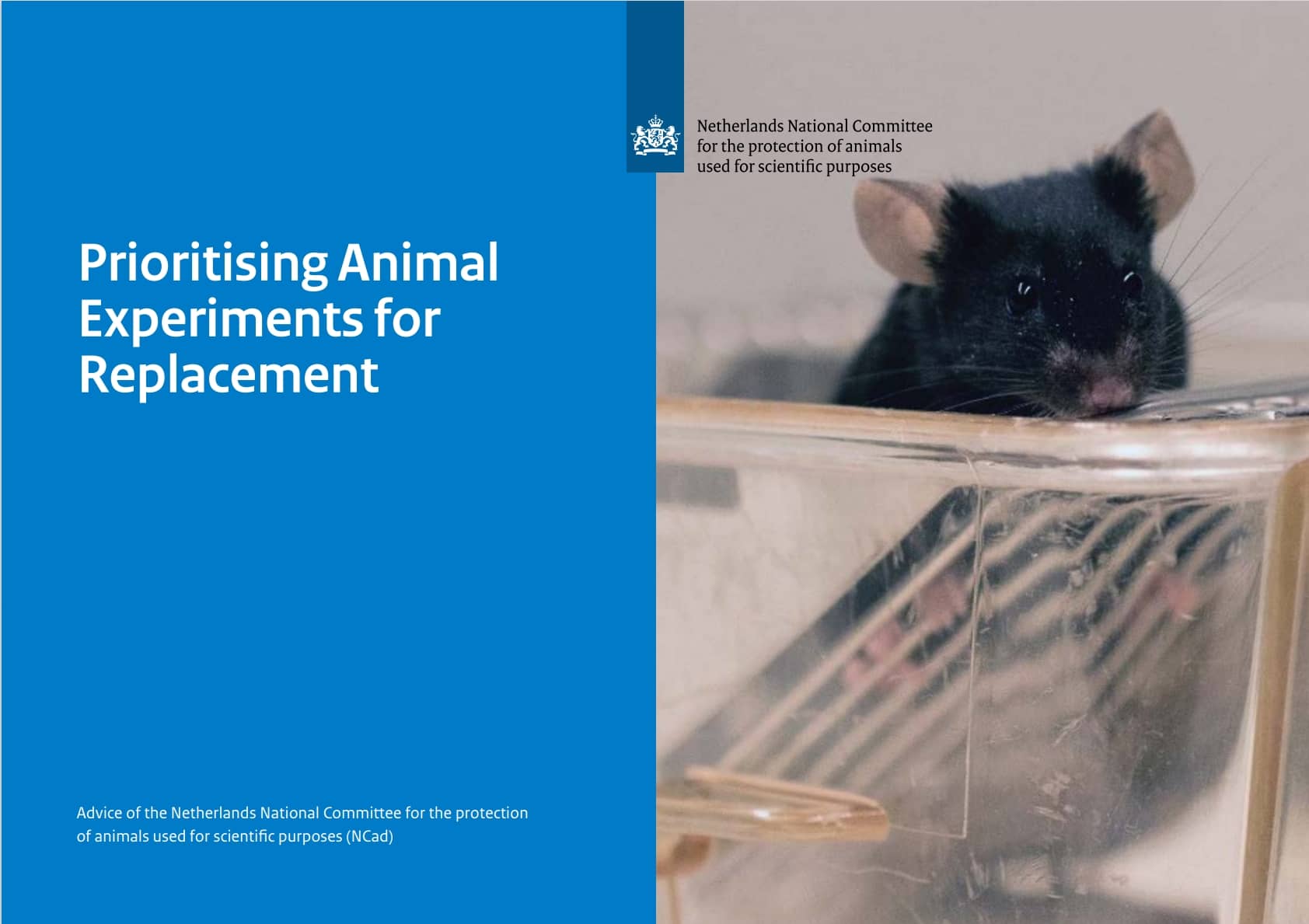
Framework for Prioritising Animal Experiments For Replacement
Read more
Prospective assessment of Cumulative Severity
Read more
The availability and Accessability of Human Tissue
Read more
Animal research in relation to COVID-19
Read more
From parallel study to the acceptance and implementation of animal-free methods
Read more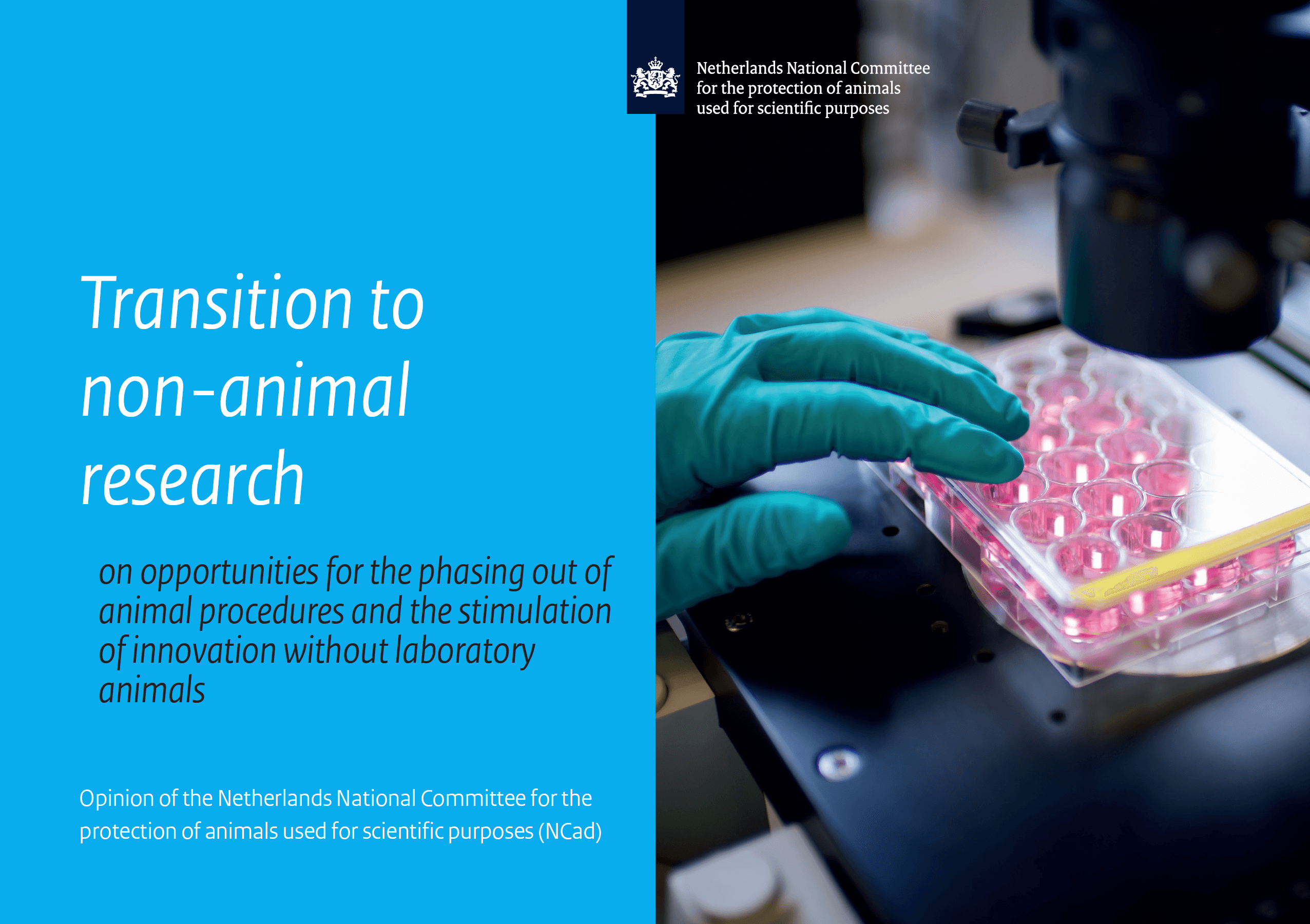
Transition to animal-free research (Transition Policy Advice 1.0, 2.0 and evaluation Transition Policy Advice 1.0)
Read more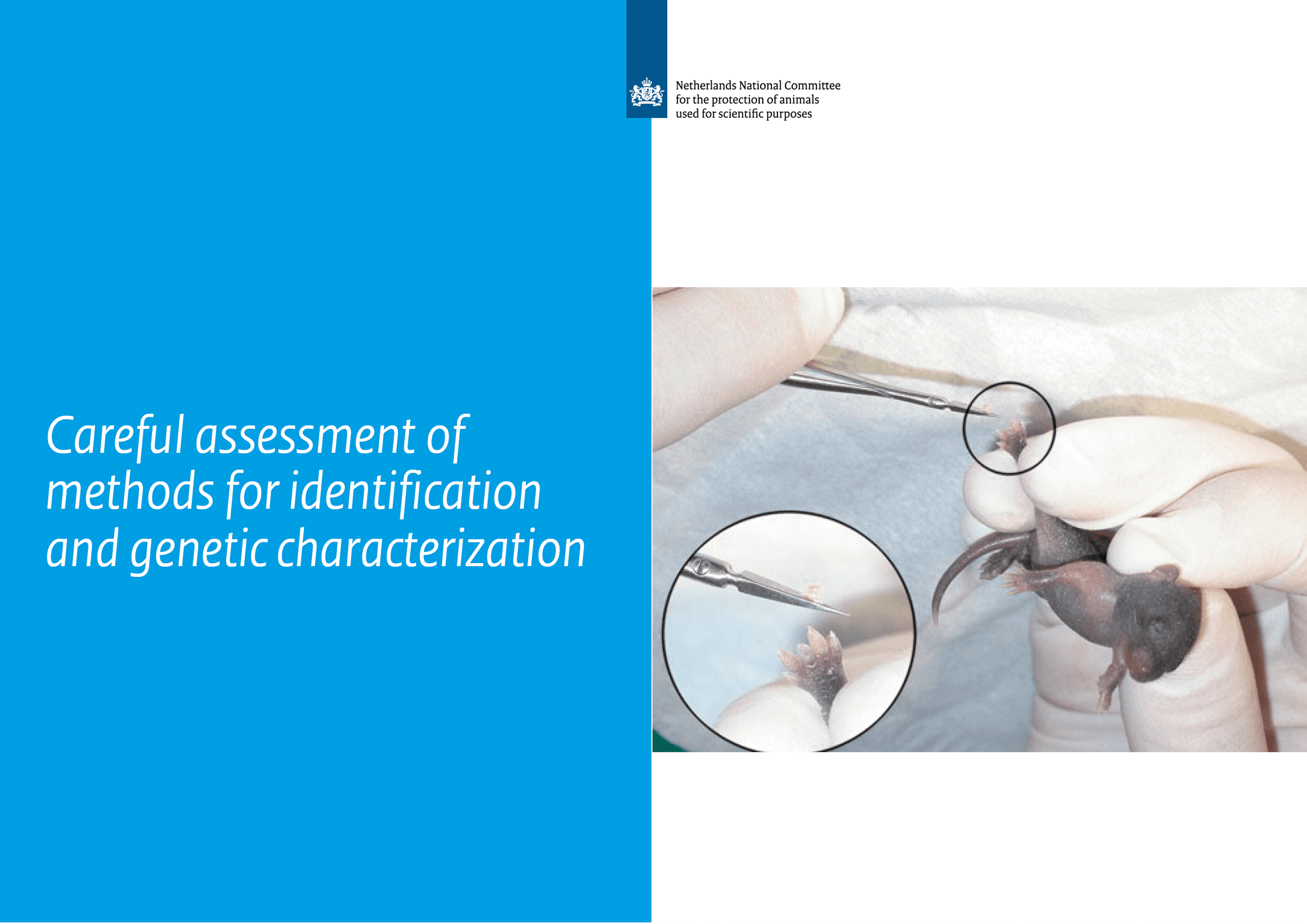
Careful assessment of methods for identification and genetic characterization
Read more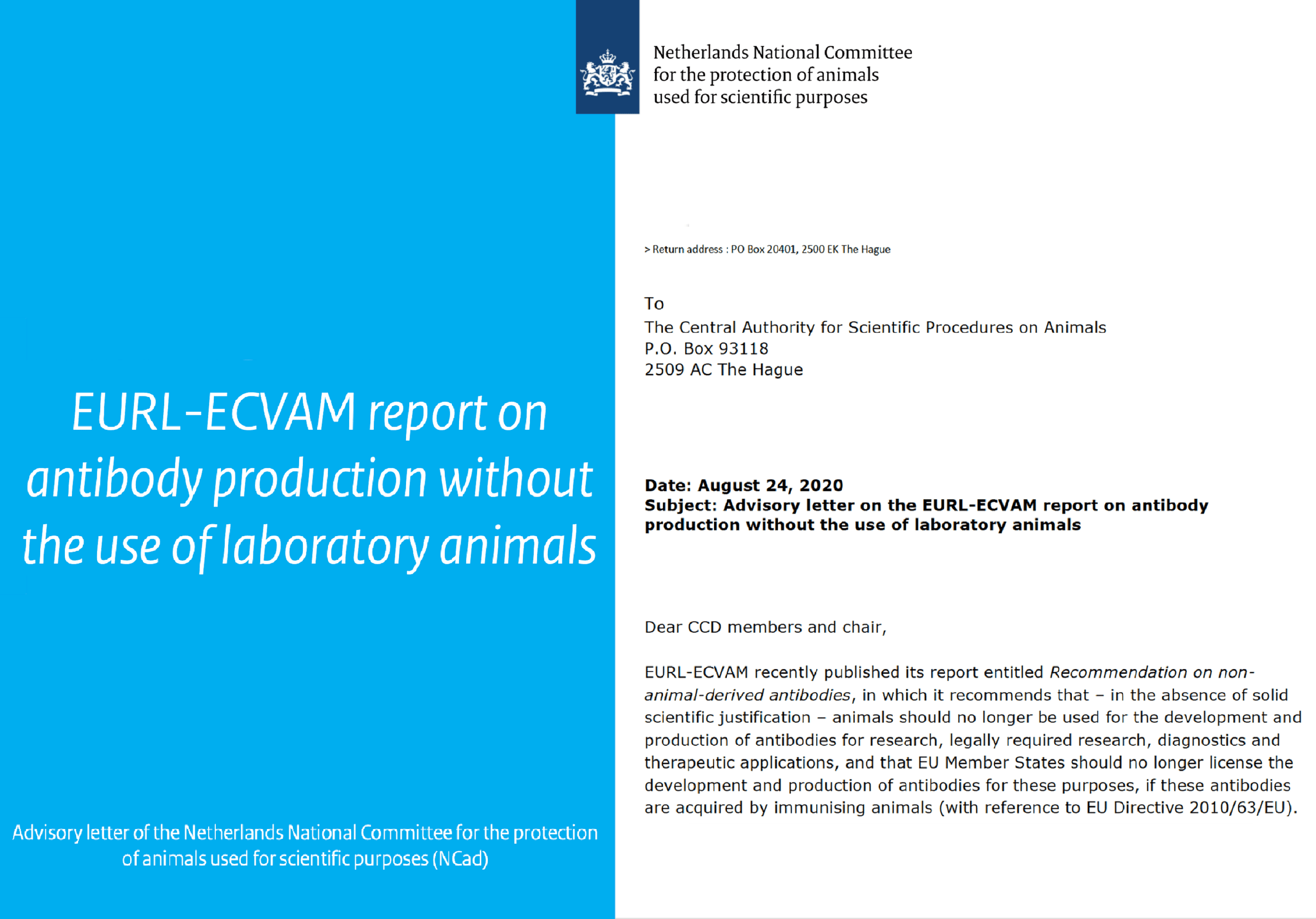
Non-Animal-Derived antibodies
Read more
Synthesis of Evidence in laboratory animal research
Read more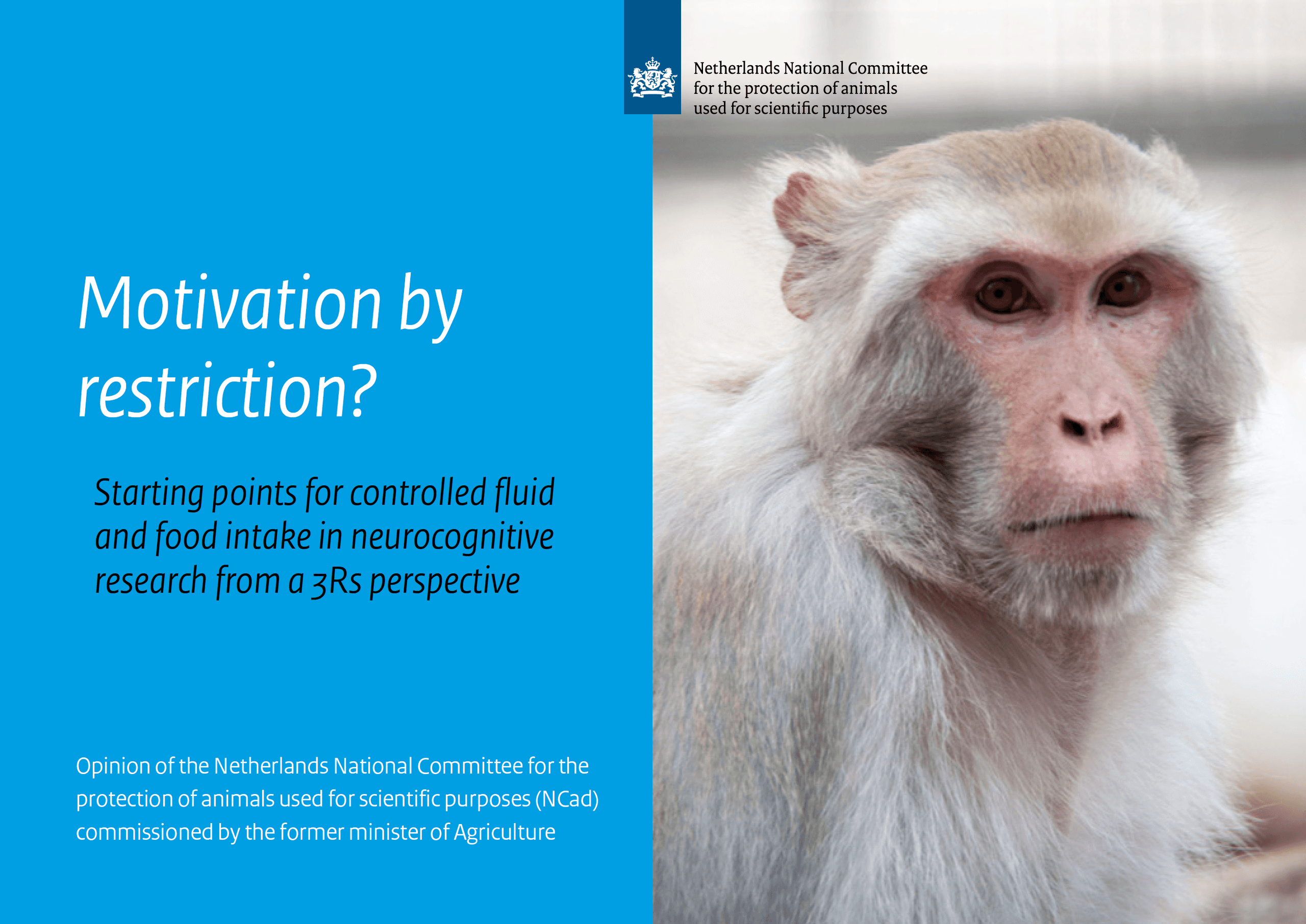
Motivation by restriction?
Read more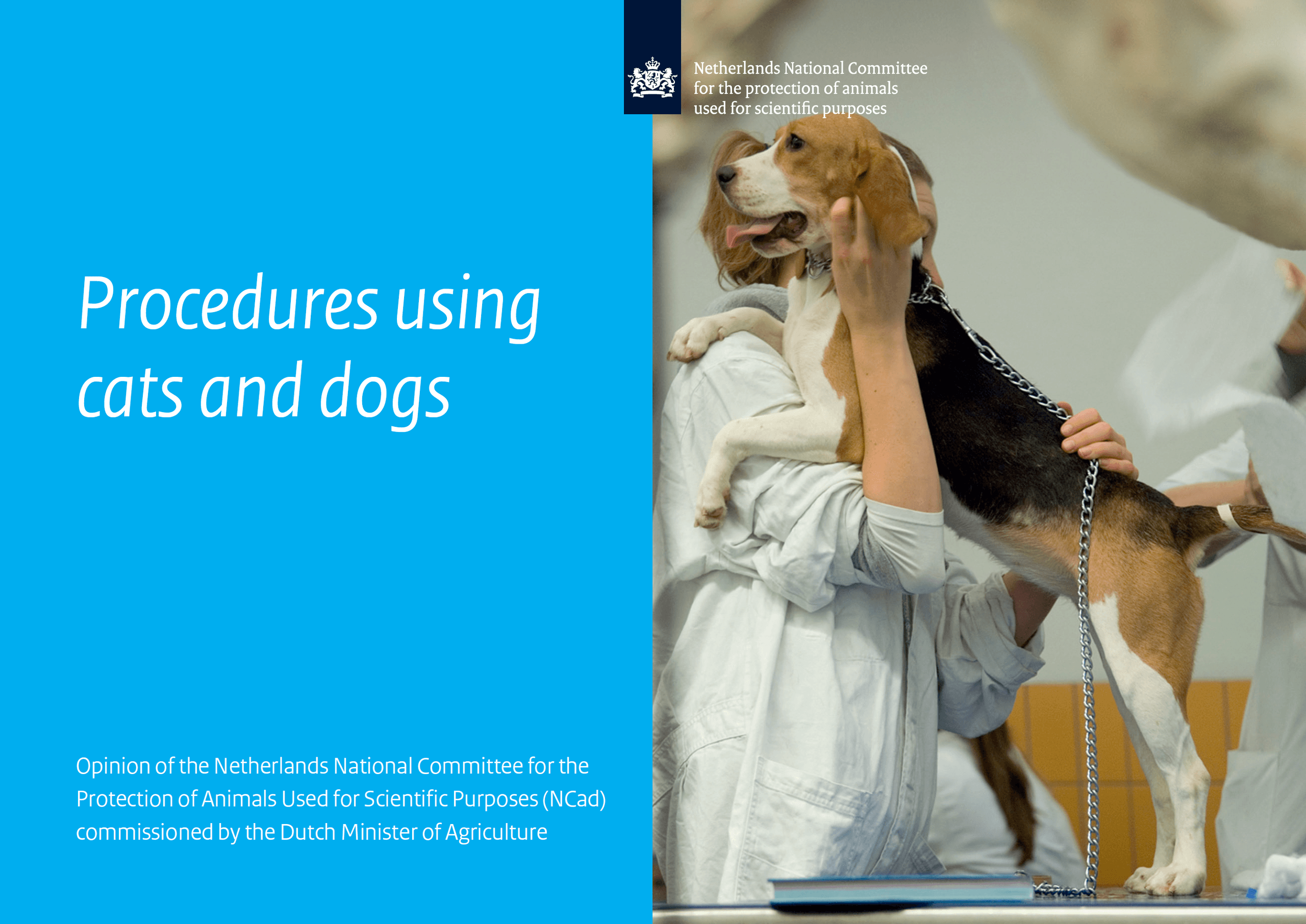
Procedures using cats and dogs
Read more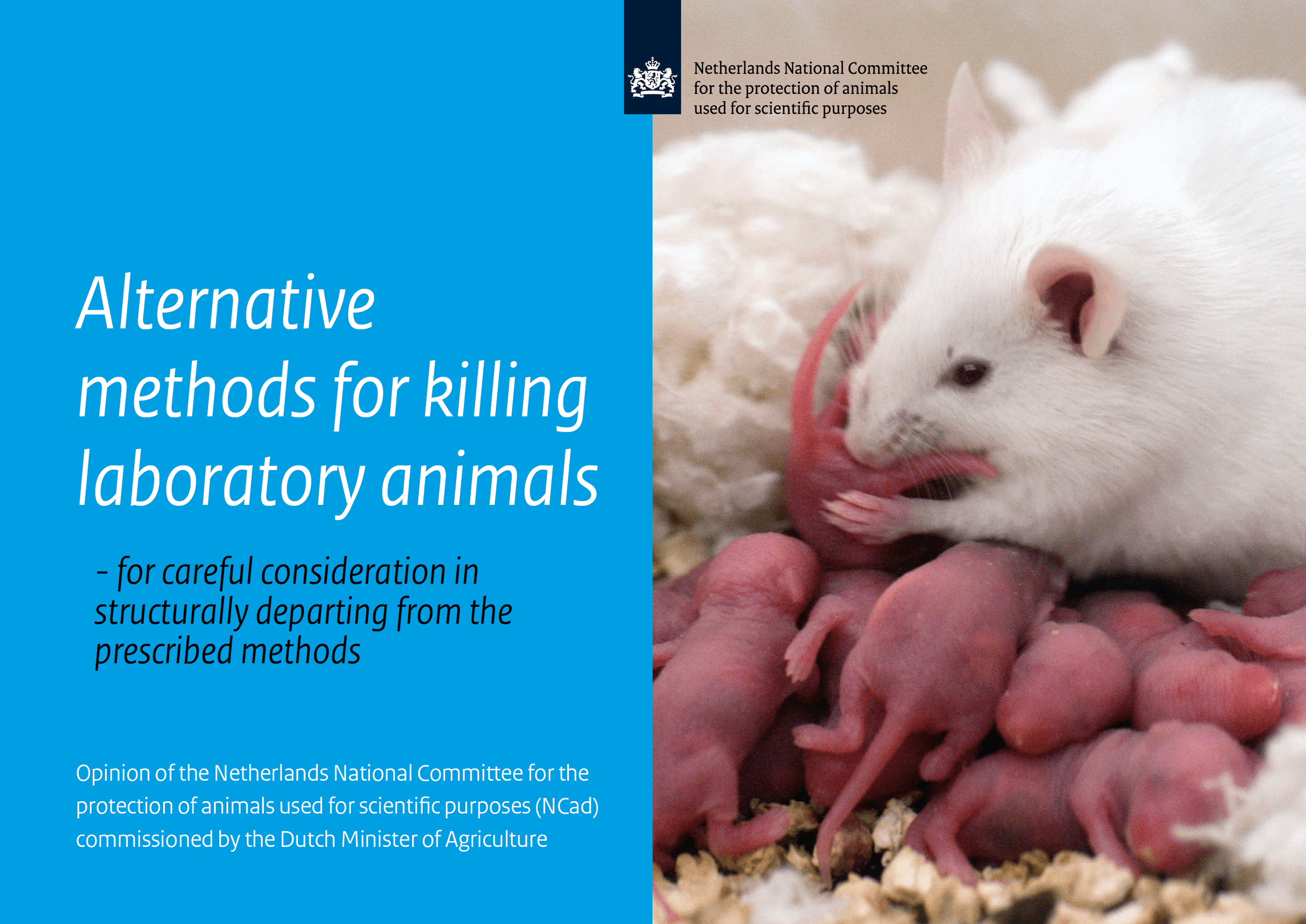
Alternative methods for killing laboratory animals
Read more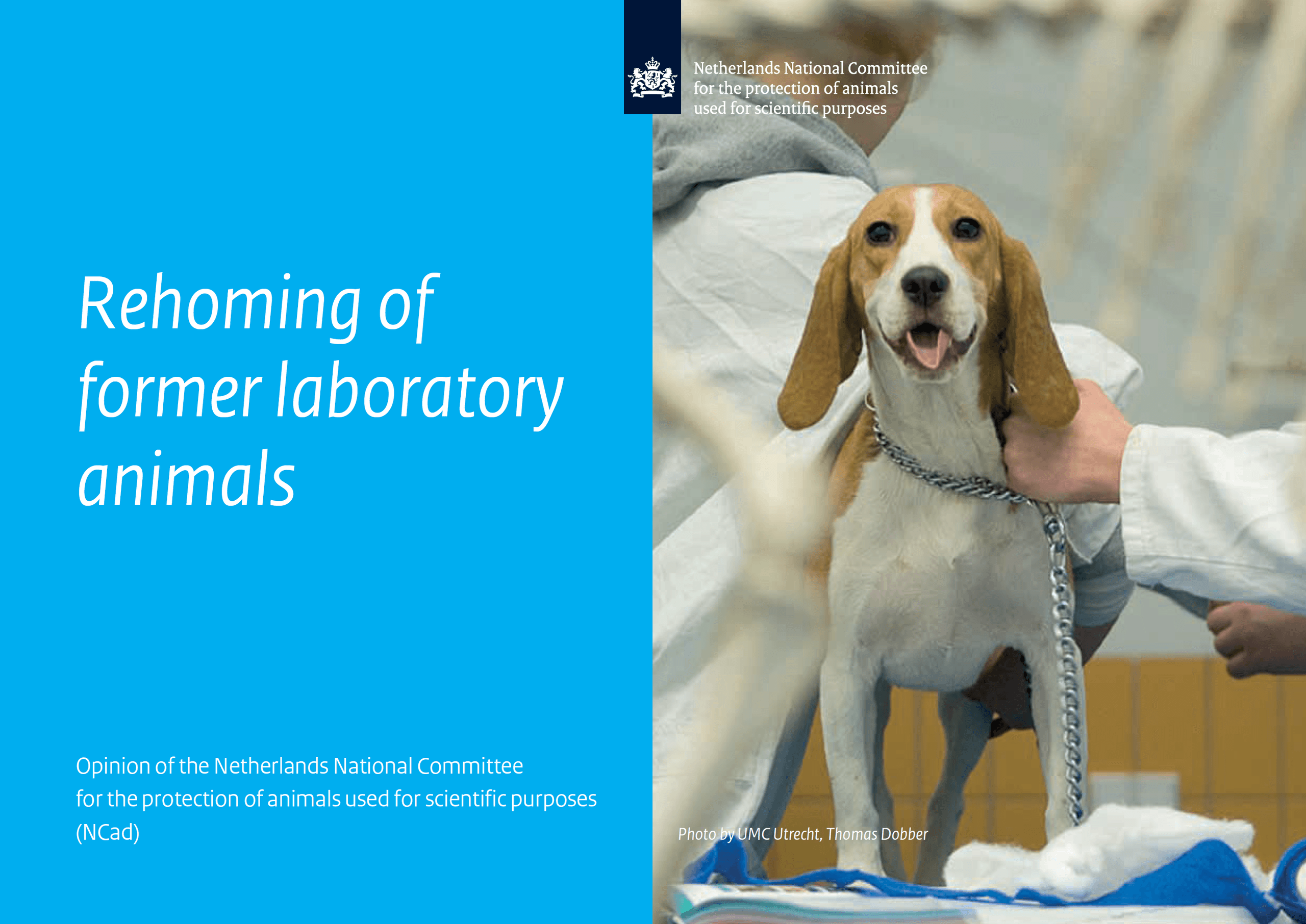
Rehoming of former laboratory animals
Read more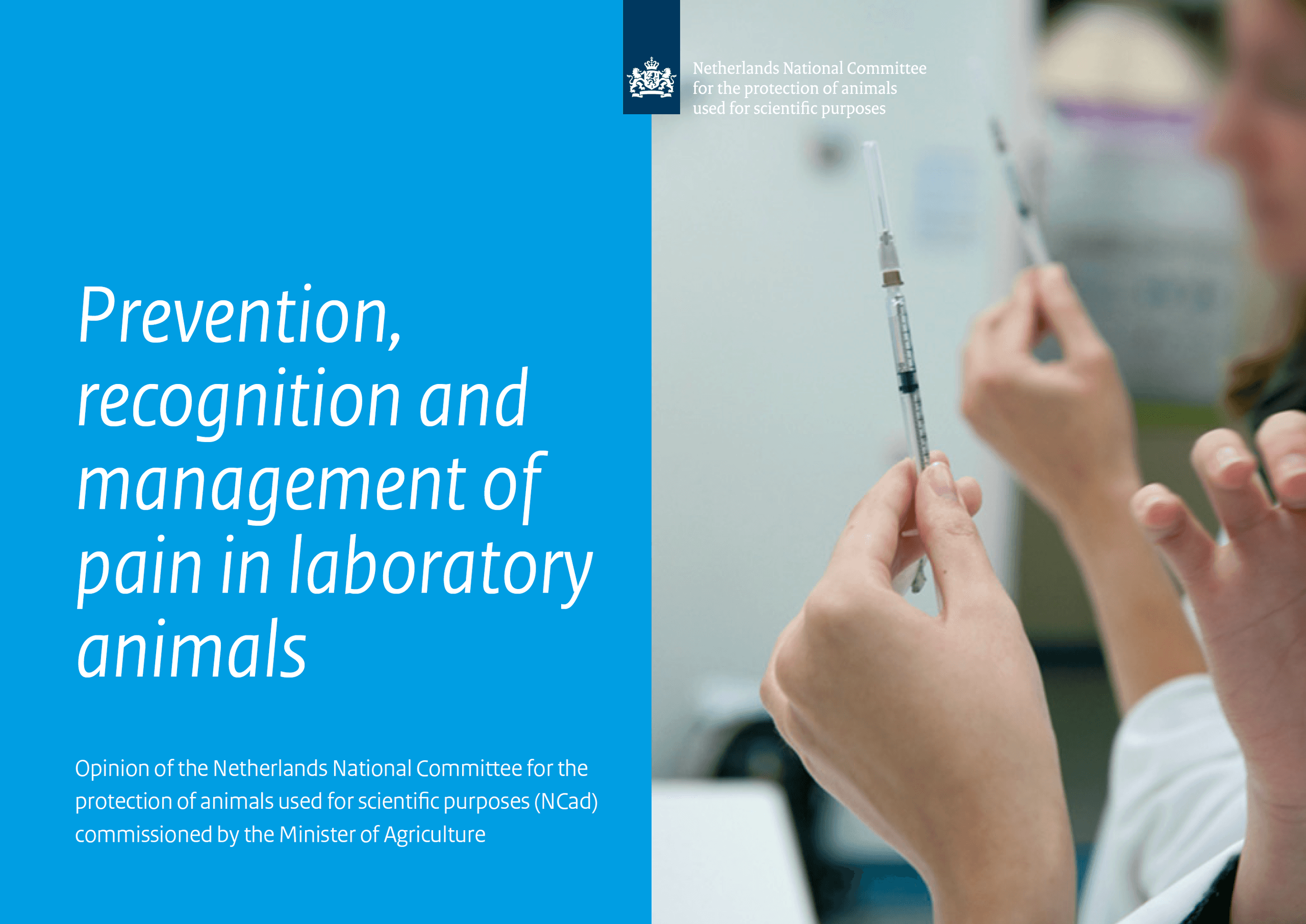
Prevention, recognition and management of pain in laboratory animals
Read more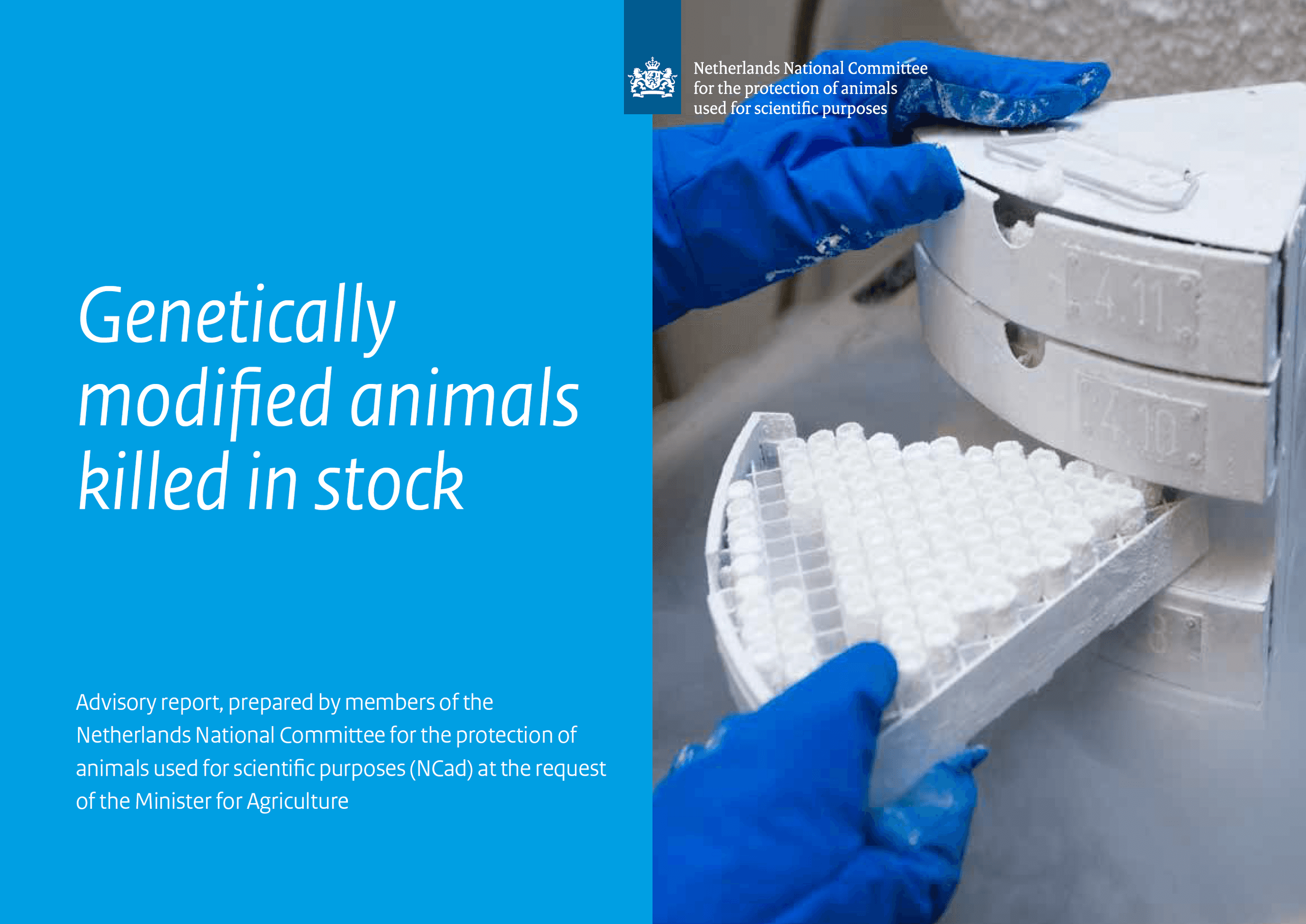
Genetically modified animals killed in stock
Read more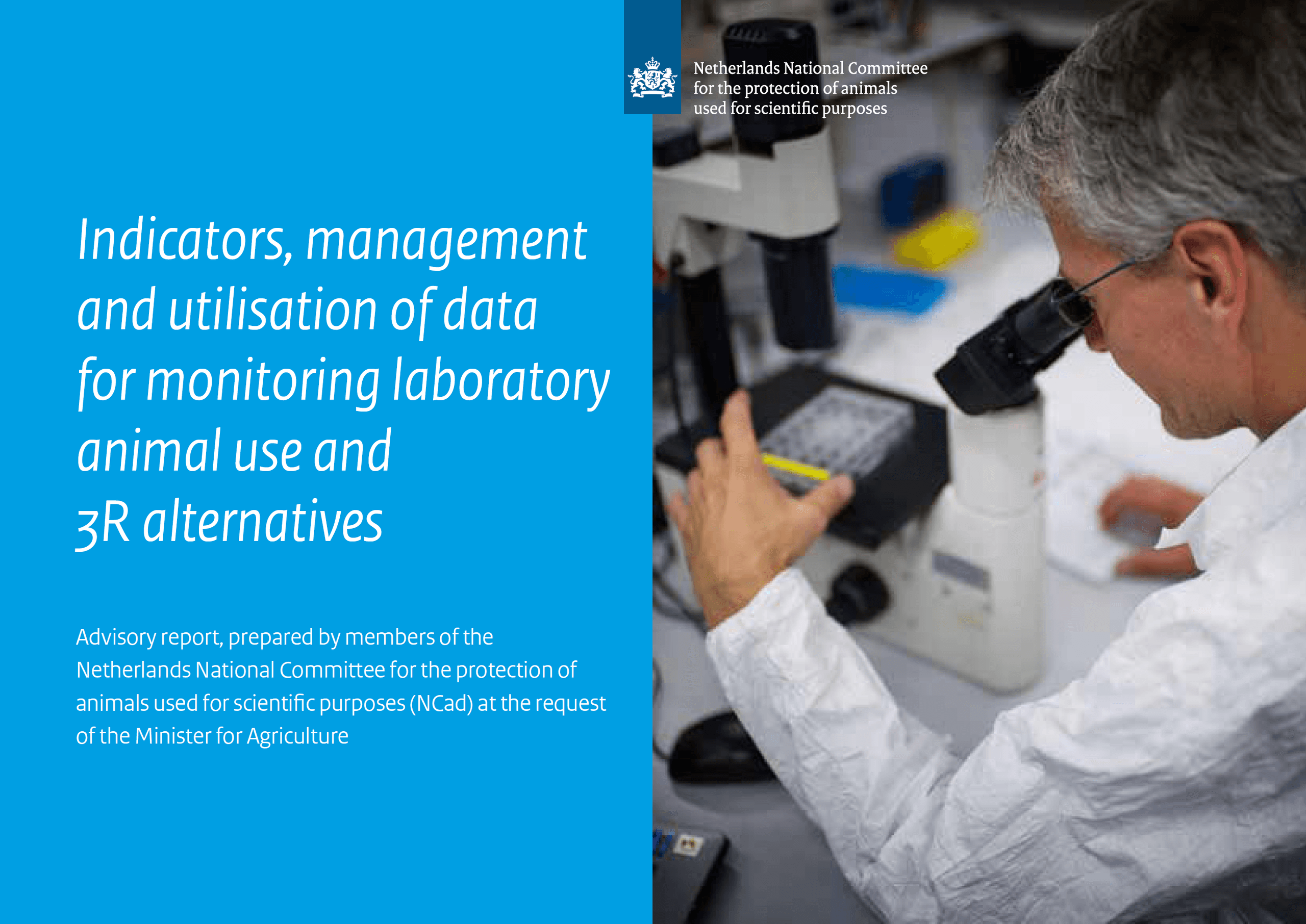
Indicators, management and utilisation of data for monitoring laboratory animal use and 3R alternatives
Read more